








Activity-Based Working for the 2026 Office
The way we work has changed — permanently. Activity-Based Working was always about giving people the right space for the right task. In 2026, that means going deeper: designing for neurodiversity, hybrid rhythms, and spaces that make the commute genuinely worthwhile.
Talk to our workplace strategists →What is ABW?
The idea behind activity-based working
Activity-Based Working removes the fixed desk and replaces it with a range of spaces, each designed for a specific type of work. The principle is simple: not every task needs the same environment. Deep focus calls for quiet. Ideation benefits from openness. Sensitive conversations need privacy. ABW gives people the freedom to choose — and the environment to perform.
Developed in the Netherlands in the early 1990s, ABW gained significant traction in the post-pandemic return-to-office period, when organisations needed to justify the commute and redesign their spaces for genuine purpose. By 2026, it’s no longer a progressive experiment. It’s the baseline expectation for any well-designed workplace.
Then
Assigned desks, open plan
Everyone had a seat. The logic was presence-based. Proximity to colleagues was assumed to drive collaboration. Noise was accepted as the cost of openness.
Now
Choice-based, purpose-built
The office is a destination, not a default. Every zone earns its place by supporting specific behaviours — concentration, connection, creation, or conversation.
The 2026 ABW Framework
Six zones that make an ABW office work
A well-executed ABW environment is built from a considered mix of zones. The right proportions depend on your organisation’s work patterns — which is why utilisation data and employee insight are essential starting points, not afterthoughts.
Focus zones
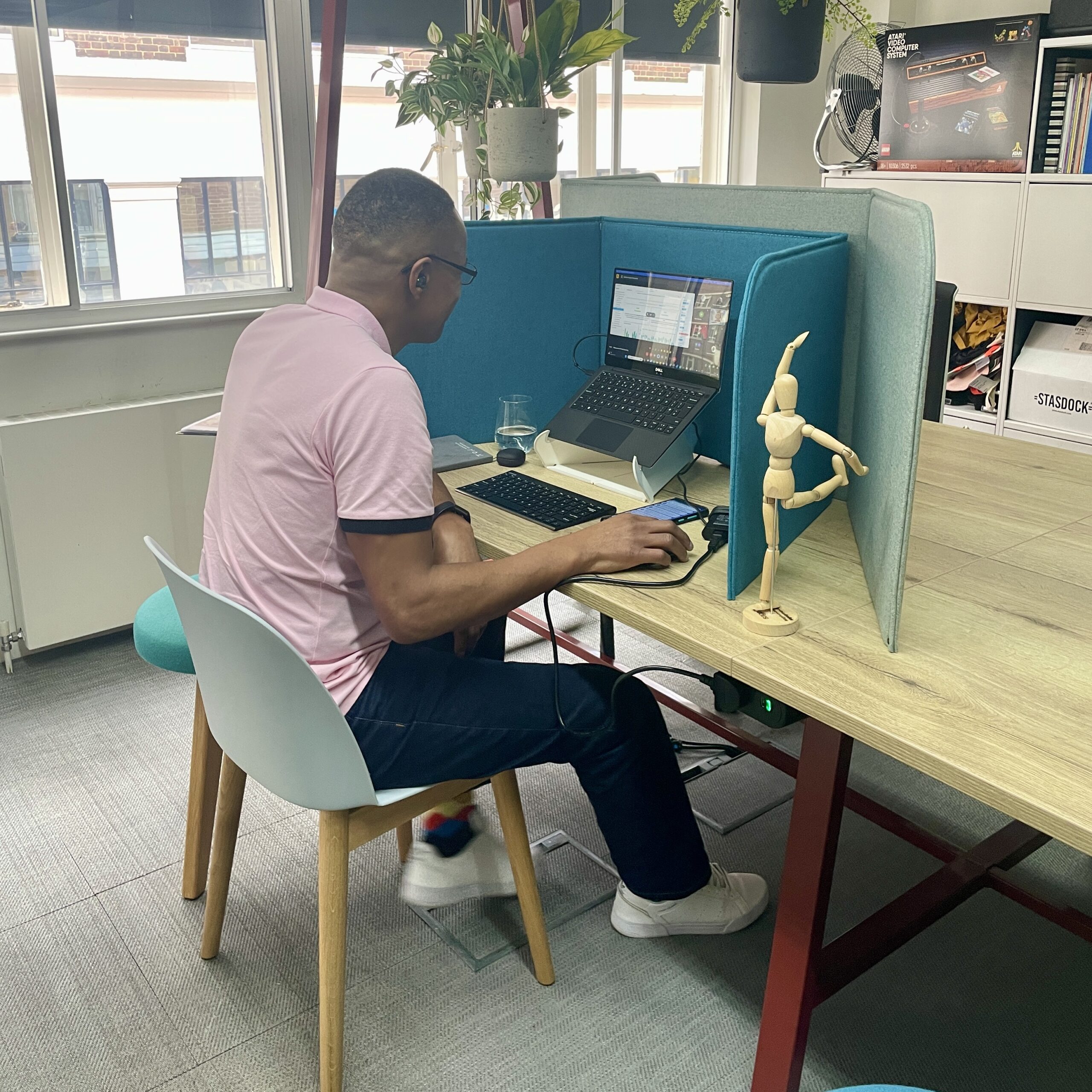
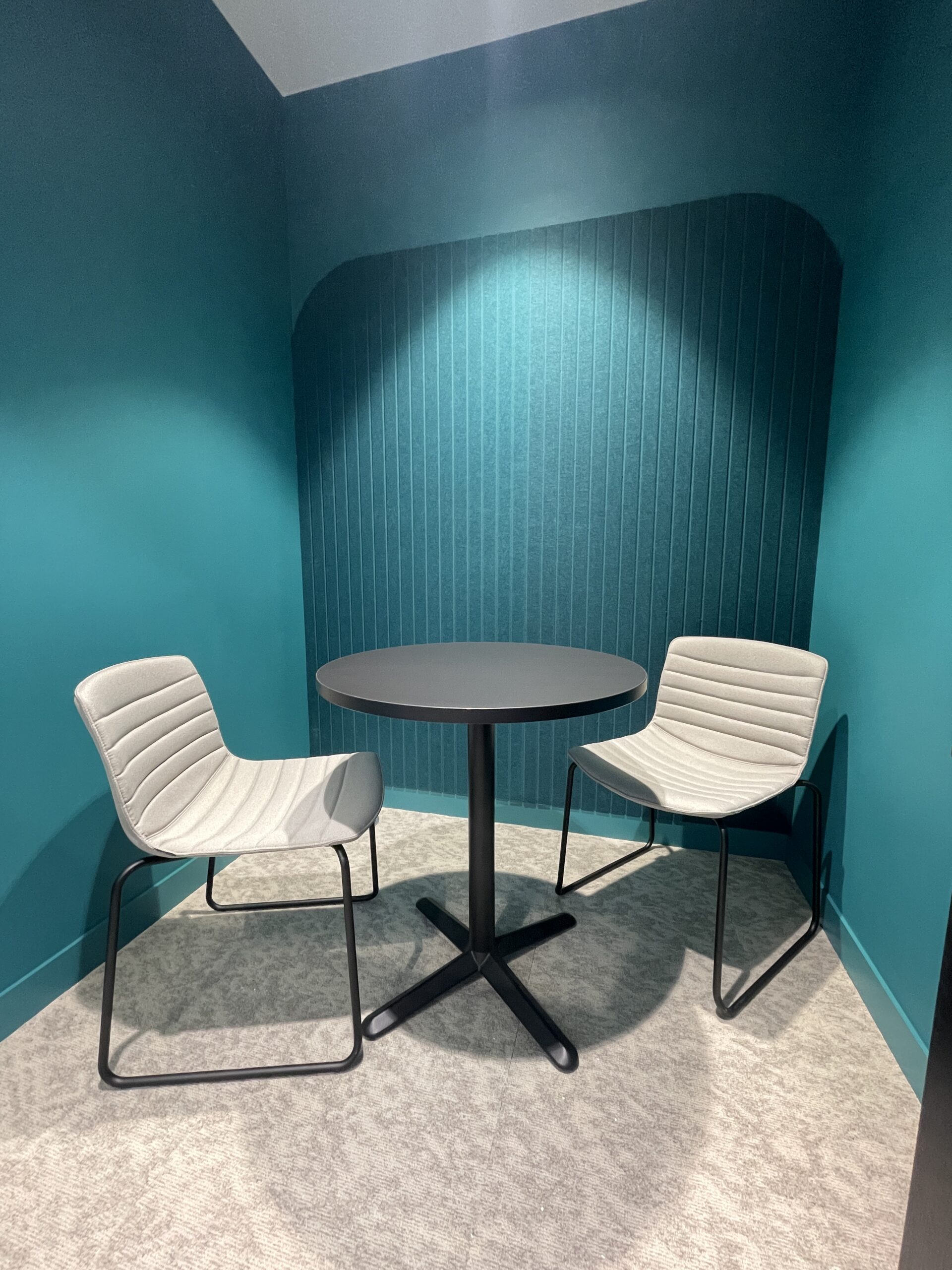
Acoustic enclosure for deep work. Phone booths, solo pods, and quiet rooms designed to eliminate distraction entirely.
Tranquillo Work →Collaboration hubs
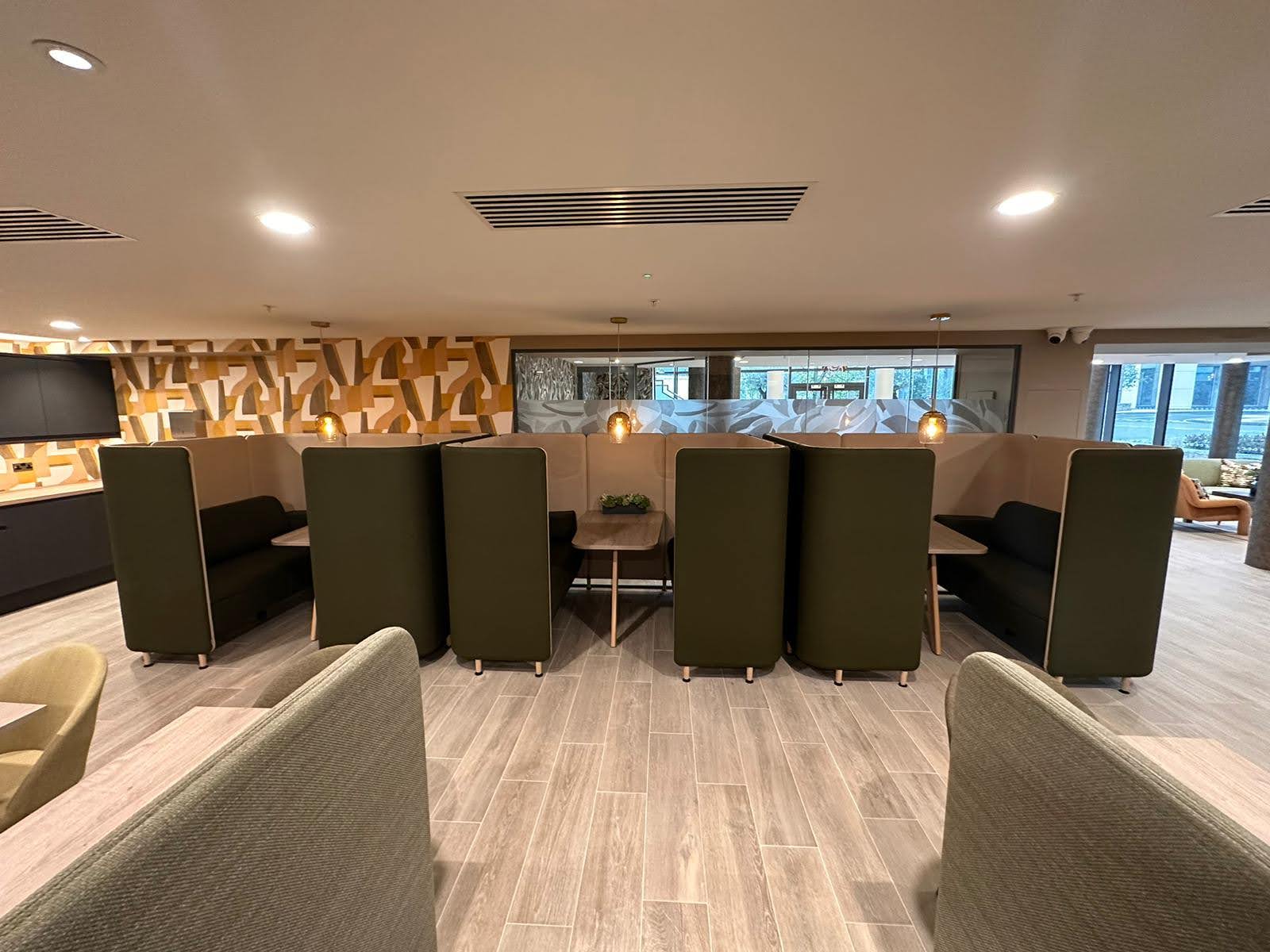
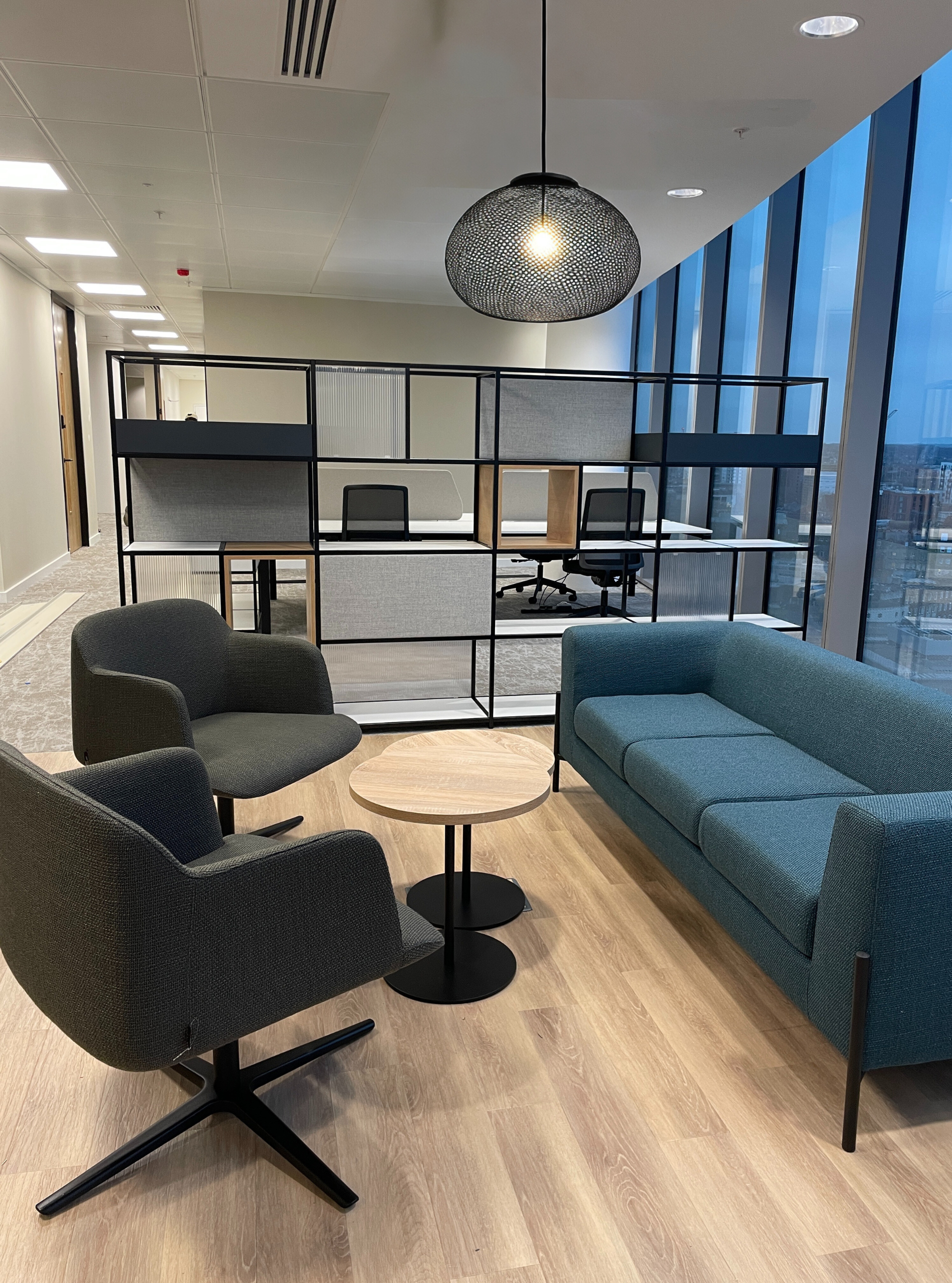
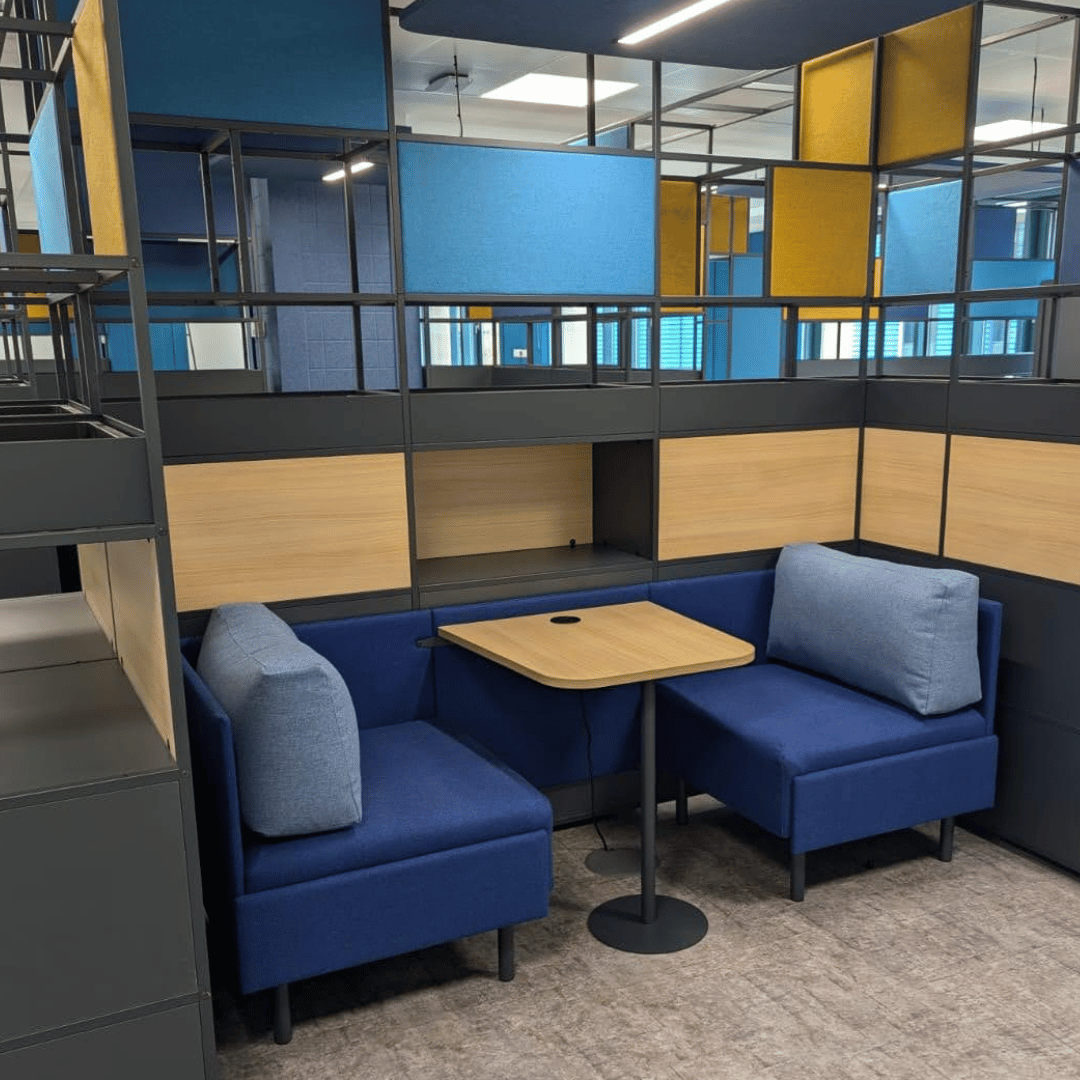
Open and semi-open spaces with writable surfaces, screen connectivity, and flexible layout for team work at every scale.
View collaboration furniture →Social & informal
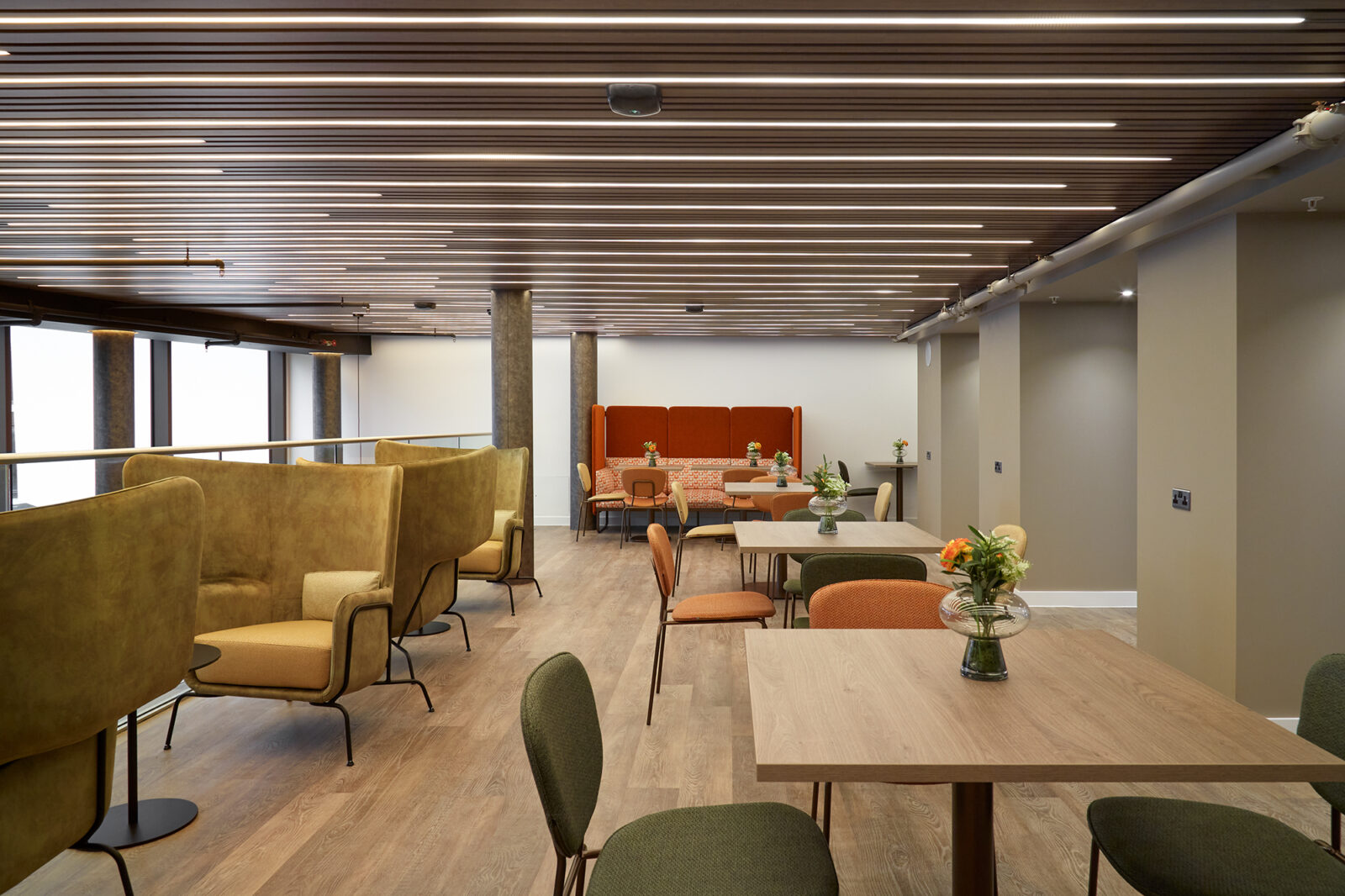
Café-style settings that encourage spontaneous connection — the collision spaces that make in-person work irreplaceable.
View social & dining furniture →Sensory-aware zones
Low-stimulation retreats designed with neurodiversity in mind — softer acoustics, adjustable lighting, and predictable layouts.
Hybrid-ready spaces
Rooms and booths optimised for video calls — acoustic control, camera sightlines, and consistent lighting for distributed teams.
Wellness & recharge
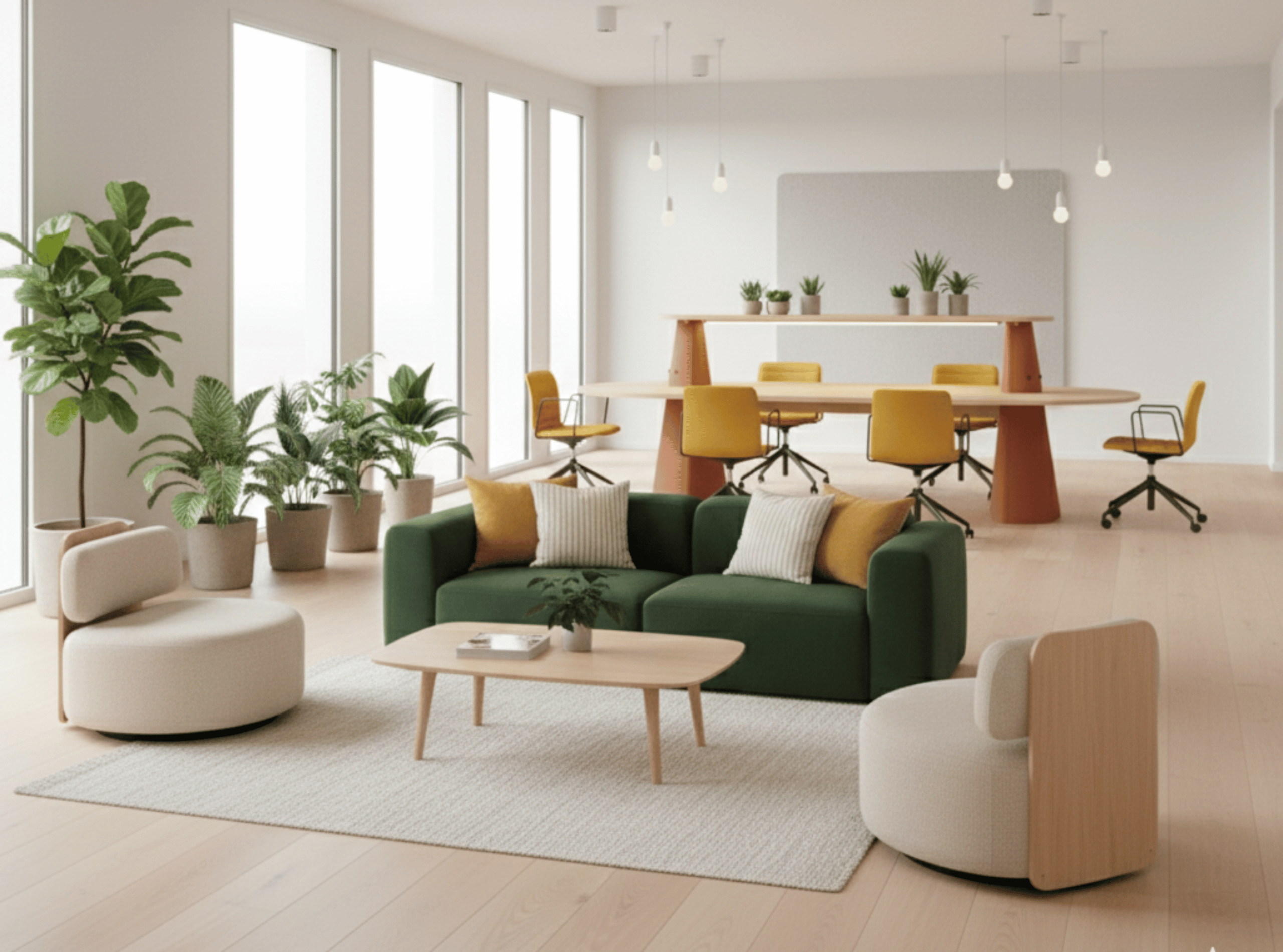
Biophilic breakout areas, relaxation seating, and quiet corners for mental reset — proven to improve afternoon focus and energy.
View reflection & concentration →The neurodiversity shift
Designing for every kind of brain
In 2026, one of the most significant conversations in workplace design is neurodiversity. Around one in five people are estimated to be neurodivergent — yet most offices are still designed for a single cognitive profile. The result is environments that actively disadvantage a significant portion of the workforce.
“Design for neurodiversity and you make the workplace better for everyone — not just those who need it most.”
— A recurring finding across workplace research, 2024–2026Neuro-inclusive ABW design doesn’t require a separate strategy. It’s an enhancement of good ABW principles: more varied acoustics, more lighting control, clearer wayfinding, and more genuine choice. The sensory-aware zone is no longer a specialist add-on. It’s a core ABW zone.
The case for ABW
Why it matters for your organisation
The business case has sharpened considerably. As hybrid working settles into permanence, organisations are under pressure to make the office worth the commute. ABW directly addresses this: when employees know the office has spaces that support their specific tasks better than home can, attendance follows naturally.
The talent argument is equally compelling. Workplace quality is now a talent signal. The design of your office communicates your values — to existing employees and to candidates who visit for the first time.
How we approach it
ABW done properly starts with evidence
At Sagal Group, we don’t specify furniture before we understand behaviour. Our Workplace Strategist service begins with understanding how the space is being used and employee sentiment when there, mapping how your people actually work, not how they’re assumed to. From that baseline, we design a zone mix that reflects your organisation’s real patterns.
We partner with manufacturers who share our commitment to doing this well, which means we can provide furniture solutions that genuinely support you and your business model so you can create a magnetic #LoveWhereYouWork space that evolves as your working culture does.
Our process
Insight before specification
Utilisation studies, employee surveys, and workshops with your teams. We build the brief from evidence, not assumptions — so the spaces we design actually get used.
Our products
Furniture that earns its place
Every product in our ABW portfolio has been selected for performance, not aesthetics alone. We’ll show you exactly why each piece belongs in each zone.
Ready to rethink your workspace?
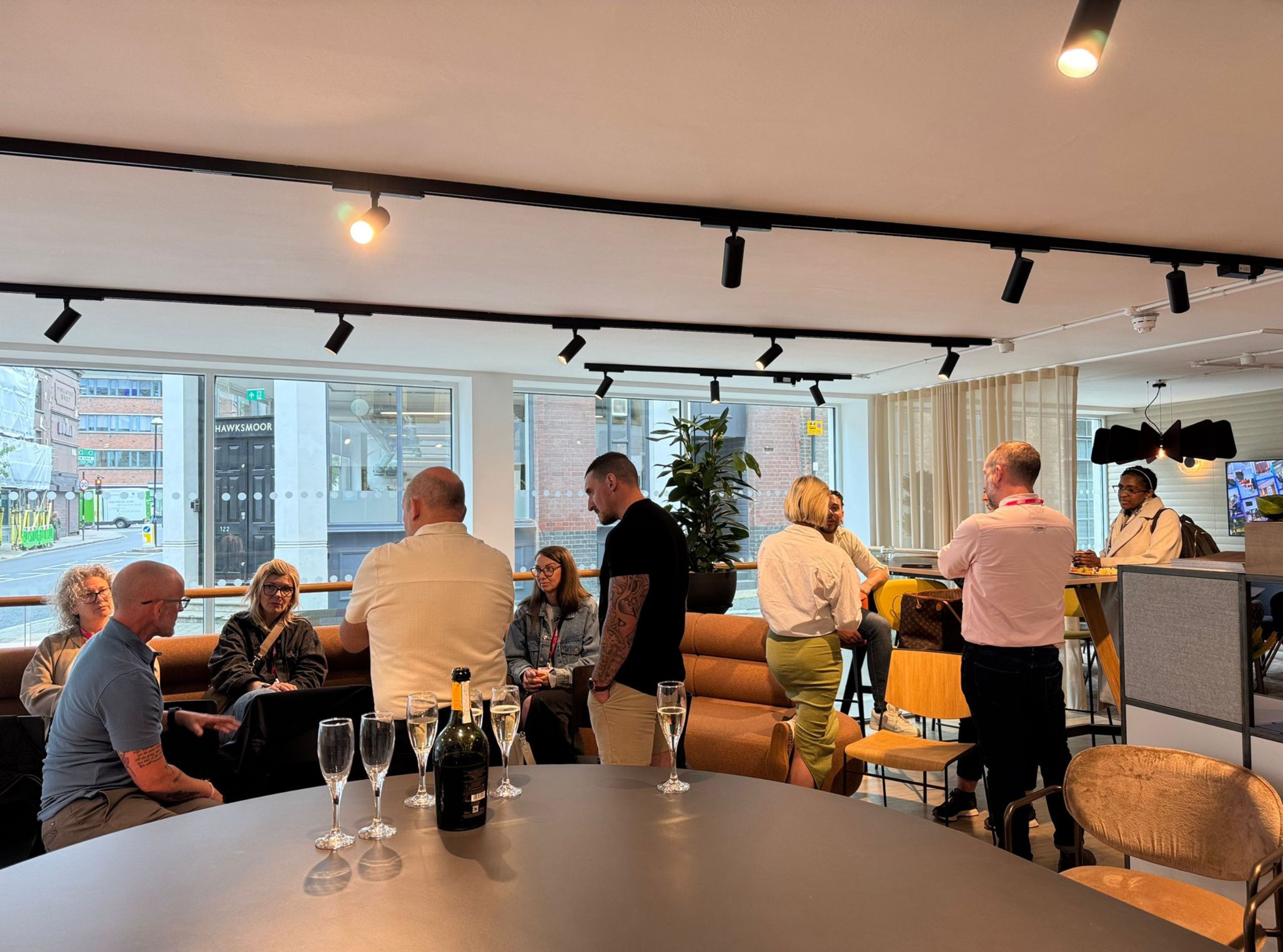
Come and see how ABW works in practice at our Clerkenwell showroom. We’ll put the kettle on.


