Clerkenwell Design Week has wrapped, and we’re still buzzing. Here’s everything that happened at 4 Garrett Street — and what it means for your next workplace project.
Sagal Group · Clerkenwell Design Week 2026 · 7 min read
A massive thank you to everyone who made the trip to our showroom this year. Showrooms are just empty boxes without people and watching ours get used exactly as we designed it, as a vibrant and collaborative destination, was an absolute thrill. If you didn’t make it this time, here’s what you missed and how those ideas can shape your next project.
01
The Tokyo Room
A full modular ecosystem — seating, acoustics, light
02
Five Generations at Work
Panel with Rebecca Robbins & Patrick Dunne OBE
03
Beyond ABW
A fireside chat on the future of the workplace brief
04
Acoustic Revolution
Why fabric is winning the war on noise
The Big Highlights: Tokyo, Multi-Generational Strategy, and Artful Accents
Our primary goal for CDW 2026 was to move beyond the traditional “furniture display” and showcase a fully integrated, human-centric ecosystem.
1. The Tokyo Room: Texture, Light, and Flow
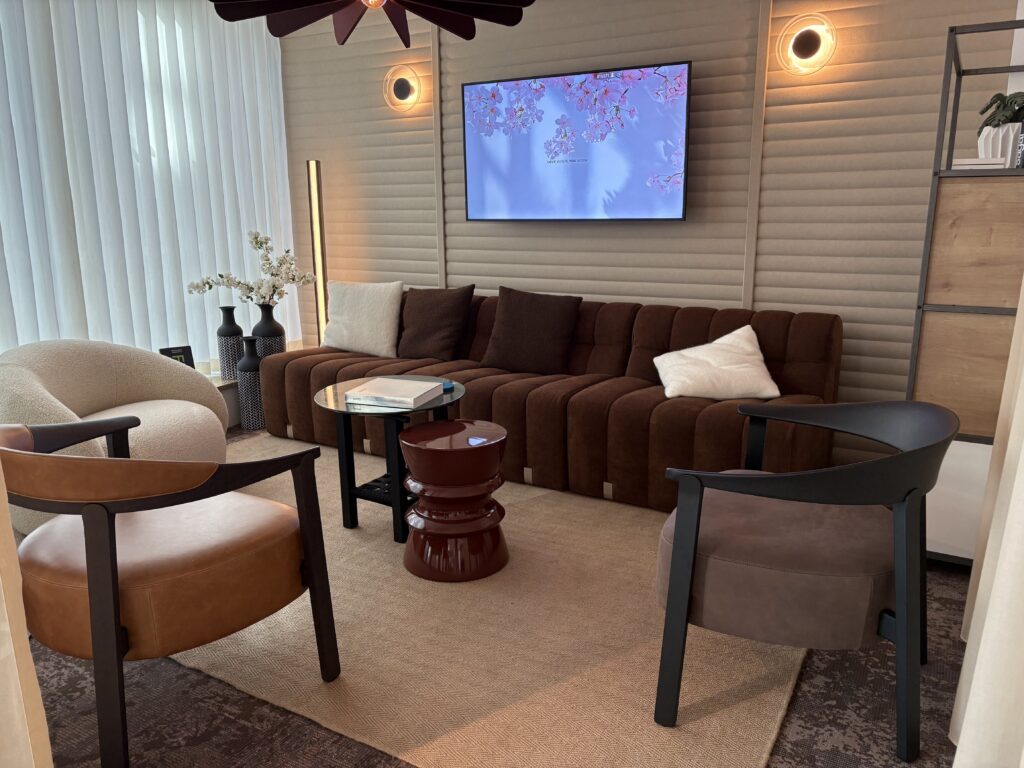
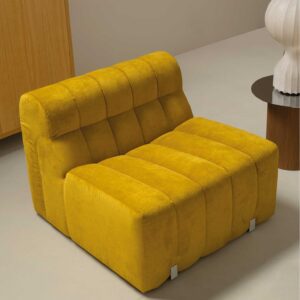
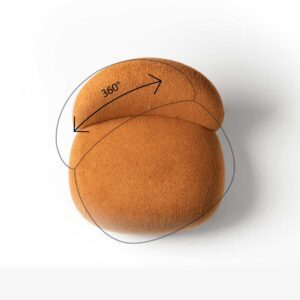
The absolute star of the show was the unveiling of our new Tokyo room. Built around Quinti’s brand-new modular Tokyo sofa system, the space demonstrated how commercial layouts are shifting away from rigid cubicles toward soft, residential-style “adult playgrounds”.
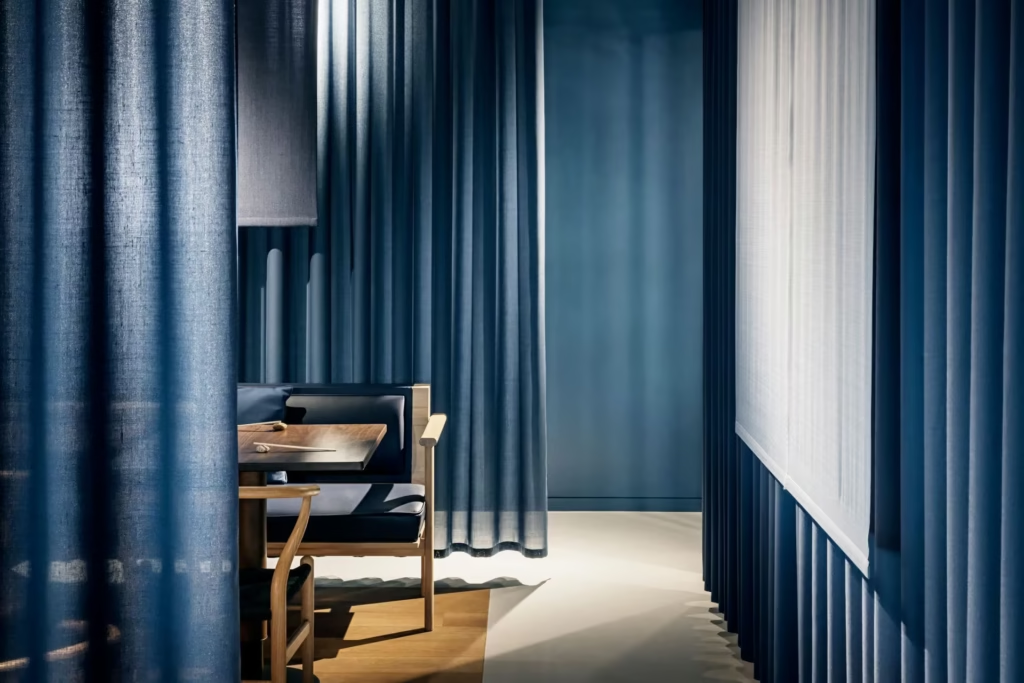
We paired the plush, deep vertical sections of the Tokyo seating with spectacular architectural lighting from Norrsken and space-transforming acoustic curtains from Création Baumann and KOZA Projects. It proved a vital design point: when hard warehouse surfaces or exposed concrete ceilings strip an office of its acoustics, your furniture and textiles have to step up and provide the acoustic sanctuary.



2. Beyond Activity-Based Working: Unlocking the Future Brief
During our headline fireside chat, workplace strategist Noel Brewster sat down with Damien Mears to dissect the evolution of workplace design models. The consensus? We have officially moved past basic “activity-based” and generic “experience-based” templates.
Traditional brief gathering is fundamentally broken because it focuses on what a client wants rather than why they need it. For years, organisations have been sold beautiful, expensive pieces of furniture based on historical assumptions or narrow HR questionnaires. As Damien rightly pointed out, you cannot simply pick up a strategy from Macquarie Bank in Australia and drop it into a London firm and expect it to stick.
The Sagal Take: If your furniture supplier or designer walks in on Day 1 and asks, “How many desks do you want?” walk away. Guesswork is an extraordinarily expensive way to make real estate decisions. You don’t need more cellular workstations; you need a targeted workplace strategy built on actual data, leadership interviews, and observational utilisation studies.
Designing for Decisions. Workplace CDW Speaker Wrap Up
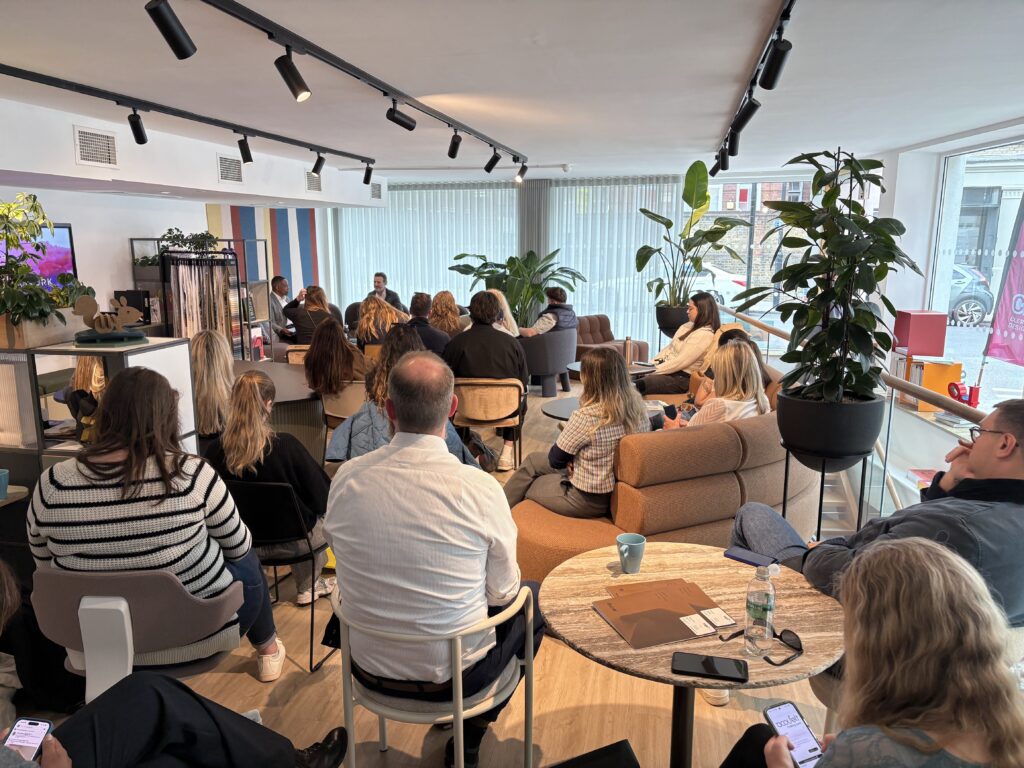
During Clerkenwell Design Week 2026, Damian Mears & Noel Brewster sat on the Sexy Meet Sofa to discuss The Next Evolution of Workplace Design: Designing for Decisions and this is how it went.. Workplace design has never been more complex — or more critical. As organisations wrestle with hybrid work, cultural fragmentation, and data overload,…
3. Deep Dives into Five Generations at Work
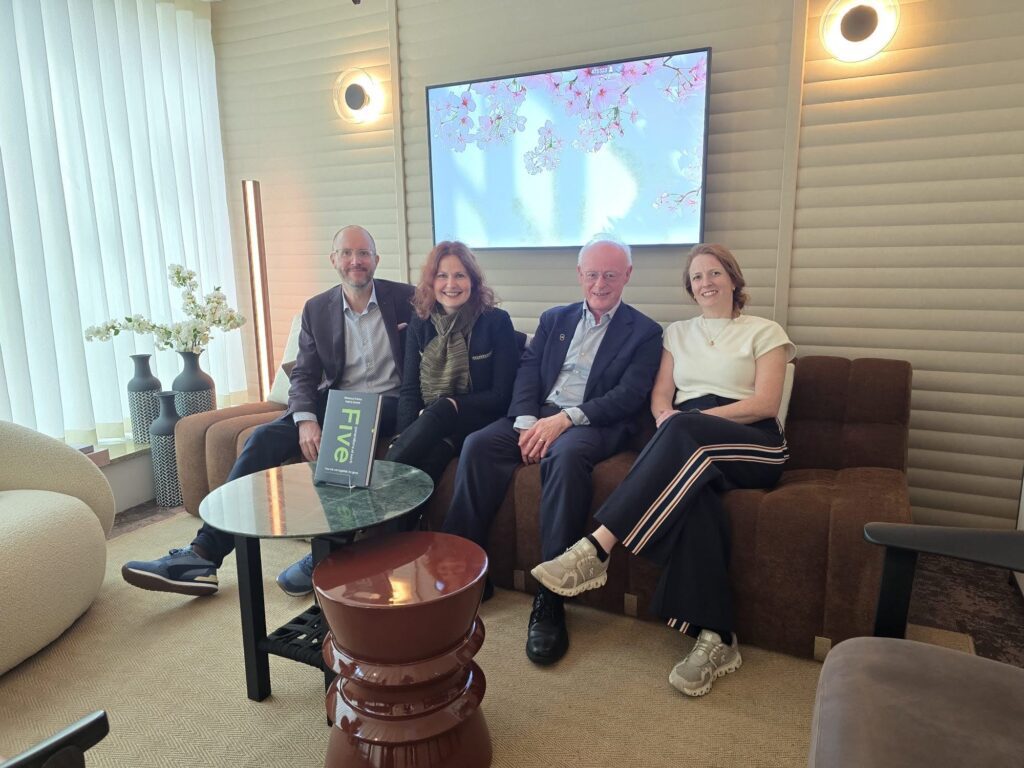
Workplace strategy isn’t just about desk numbers; it’s about people. Our panel brought together Rebecca Robbins and Patrick Dunne OBE, co-authors of Five Generations at Work, to tackle the realities of the modern multi-generational workforce. The media loves clickbait headlines about generational conflict, tension, and division. Our panel smashed those lazy stereotypes completely.
We explored how different cognitive styles and sensory preferences dictate space. A significant portion of Gen Z entered the workforce executing formative career moments entirely through a Zoom window. They didn’t benefit from the natural, osmotic learning that happens before or after a physical meeting. At the same time, professionals in their mid-50s are facing a digital and cultural disconnect because traditional corporate structures fail to leverage cross-generational mentoring.
The takeaway? Generation Z and beyond aren’t driven by shallow office gimmicks or free pastries; they demand autonomy, flexible work settings, ergonomic excellence, and authentic environmental sustainability.
The Sagal Take: Stop looking for a standalone “Gen Z strategy.” You need an all-generation strategy. True workplace inclusivity means building kinetic environments that act as social ecosystems—combining quiet, focus-driven library zones with collaborative huddle spaces where mentorship, osmosis, and friendships happen naturally.
4. The Soft Acoustic Revolution: Fabric vs. Glazing
One of the most heavily debated topics in our showroom was the balance between sound control and visual softness. In the rush to create open, collaborative office layouts, acoustic privacy has been completely sacrificed. The UK office has turned into a productivity pitfall of echo and distraction.
The lazy solution is to throw up rigid glass partitioning everywhere. But glass is a hard acoustic reflector; it keeps sound inside a room but sends outside ambient noise bouncing right back into the open-plan office. This is why acoustic curtains from manufacturers like Création Baumann are becoming the premier tool for workplace strategists.
These textiles are engineered with specialised density and weave patterns to absorb sound waves rather than deflect them. By pairing acoustic drapes with minimal glazing, you achieve a double-win: total decibel isolation and a soft, hospitality-led residential aesthetic. It’s an elite way to subdivide an open floor plan without making your office look like a high-security fish tank.
5. Rum, Hospitality, and Better Connections
Let’s be honest—networking shouldn’t feel like a chore. Taking a cue from hospitality design, we treated our space less like property infrastructure and more like a high-end venue.
The crowd-favourite BABIDA x UCHE Rum Cocktails kept the conversations flowing long after the formal panels ended. Safe to say, standard bottles of wine at summer BBQs are officially obsolete—those custom rum kits completely stole the show.

Who Is Sagal Group, and What Do We Actually Do?
If you only know us as “the people with the nice Italian chairs in Clerkenwell,” you are missing out on the best part of what we bring to the table. Sagal Group is an independent, privately owned British company. We occupy a unique, highly agile space in our industry:
Exclusive Factory Partnerships
We partner directly with high-quality manufacturers across the UK, Europe, and Scandinavia. This direct relationship allows our clients to alter sizes, colours, and finishes to create beautiful, bespoke interior solutions without the premium middleman markup.
Data-Backed Workplace Strategy
We replace subjective office opinions (“I think we need a bigger boardroom”) with objective, hard data. Through space utilisation reports, employee sentiment mapping, and executive alignment workshops, we build actionable blueprints for your space.
Total Lifecycle Care (TLC)
Furniture shouldn’t be a static, short-term transaction. Through our unique TLC promise, we stay on the end of the phone long after installation to check in on how your teams are using the space, refreshing or reconfiguring your layout as your business headcount contracts or expands.
The festival is over. The conversation doesn’t have to be.
If you found yourself nodding along during our CDW panels — or if you’re staring at your current floor plan wondering whether it’s really working — let’s turn that into something tangible. We’d love to welcome you to our Clerkenwell showroom for an unhurried, personalised conversation about your next project.
Ready to test the ergonomics, see the new finishes, and explore how our modular furniture systems can work for your business?
Not ready for a coffee yet? Want to dive deeper into the methodology of brief gathering before you touch a floor plan?